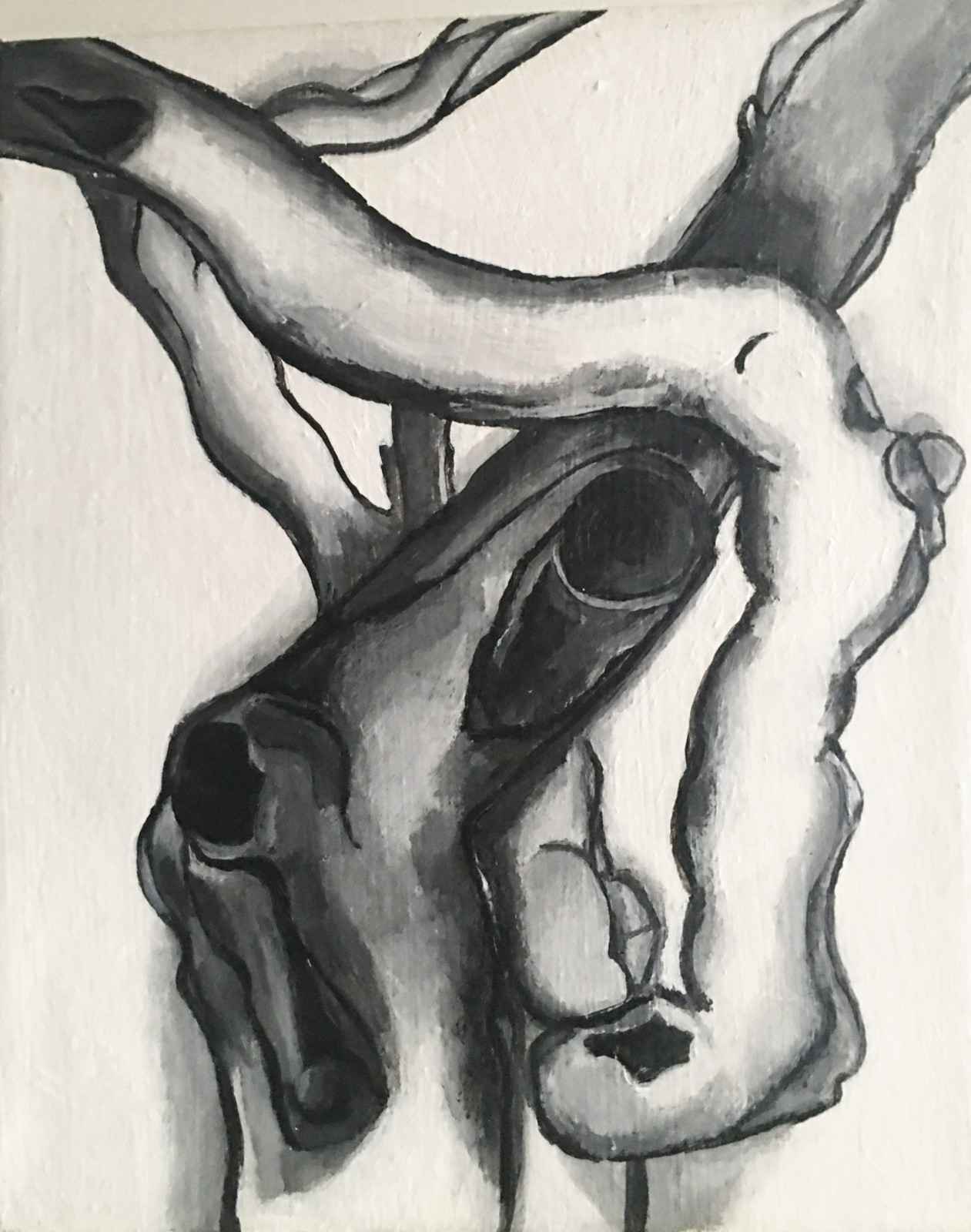
Artists create charcoal drawings on paper to show their deepest feelings. They have used burned wood to express their visions for centuries. This simple medium offers deep shadows and bright highlights. You can smudge the lines to create soft textures or press hard for bold strokes. Every mark tells a unique story. This write-up will lead you to uncover the amazing world of this traditional artistic method.
Why Do Artists Prefer to Use Charcoal Pencils?
Traditional sticks can easily break or leave hands covered in thick black dust. Therefore, many creators turn to charcoal pencils for more control. These tools enclose the messy core inside a clean wooden shell. You hold them just like regular writing tools. This familiar grip allows for incredible precision when adding tiny details to a portrait. Artists can easily sharpen the tips of charcoal pencils to draw fine hair or sharp reflections in an eye.
The wooden casing keeps fingers clean during long studio sessions. Artists who love drawing outdoors also appreciate these pencils because they travel easily without crumbling. Many illustrators rely entirely on these enclosed tools to outline their subjects before adding heavier shading. These pencils are a wonderful bridge between traditional graphite and messy dust sticks.
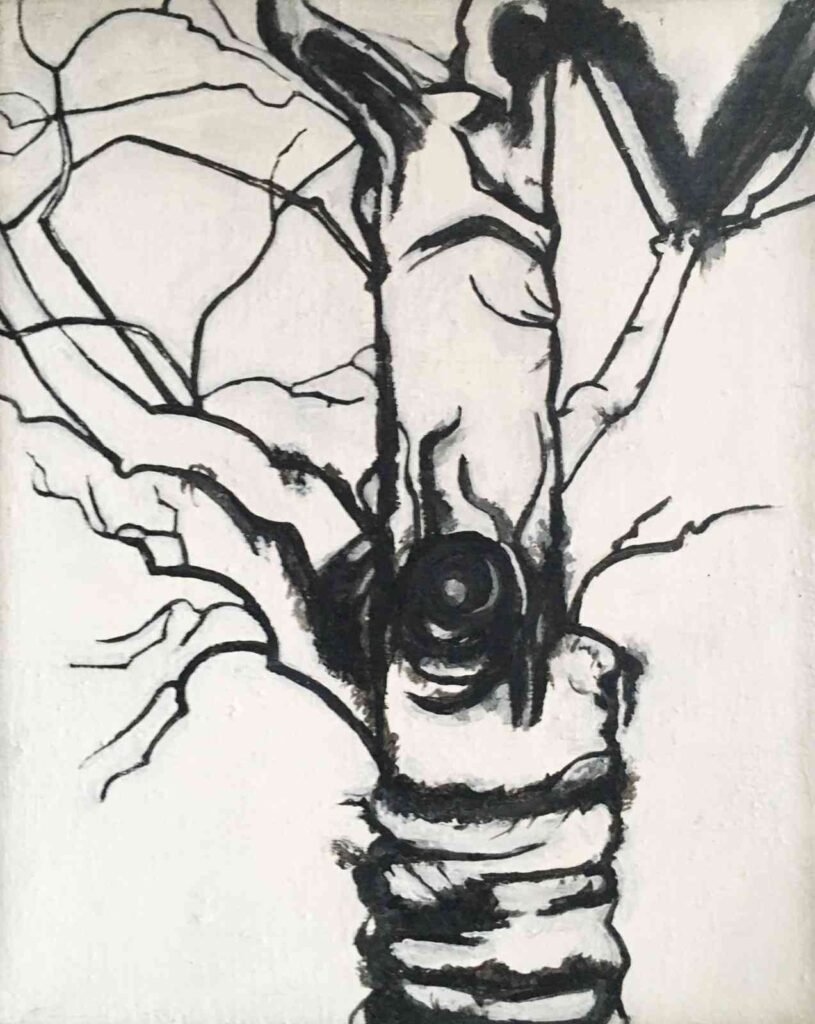
What Supplies are Essential to Start a Charcoal Drawing?
The creative process becomes easier when artists have access to the correct materials. An artist can begin their creative path without spending a large amount of money. A few simple items will help you master a striking charcoal drawing.
Here are the essential tools you should gather before making your first mark:
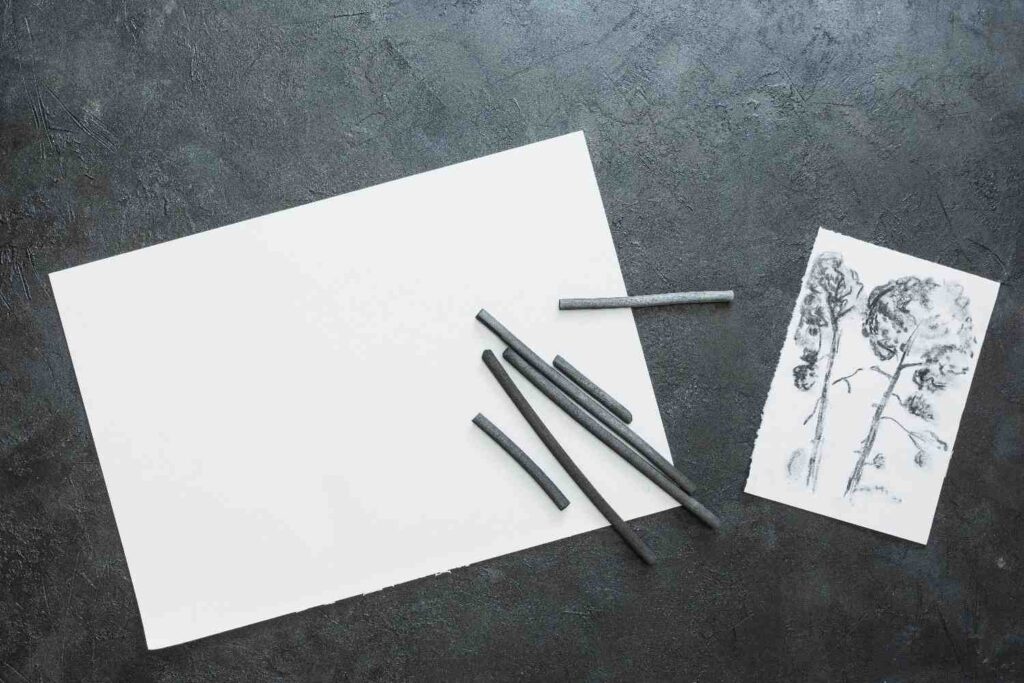
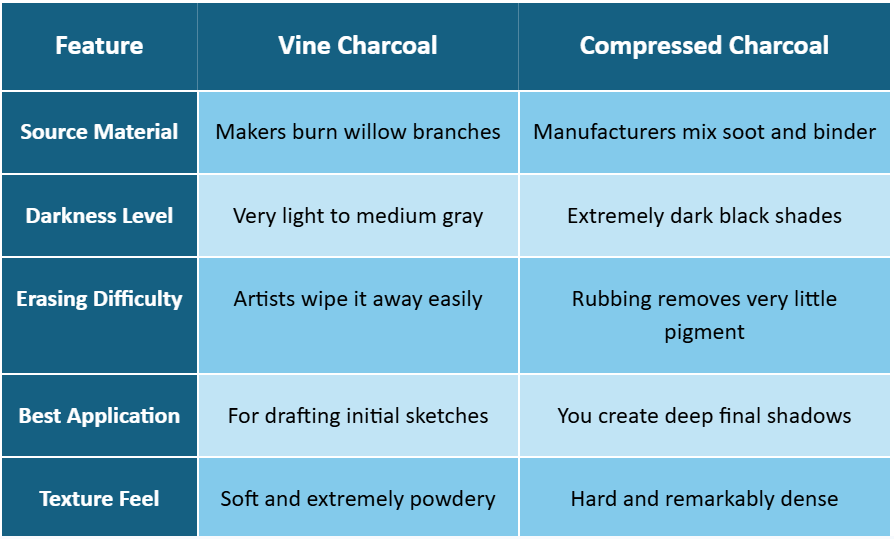
1. Vine charcoal: This soft material comes from burned willow branches. It makes very light marks and wipes away effortlessly.
2. Compressed charcoal: Manufacturers create this by pressing soot and binder together. Creates the deepest blacks available and never goes into the top layer.
3. Kneaded eraser: A soft eraser that will remove pigment without crumbling. Can shape it into a point to retrieve the small highlights.
4. Blending stumps: Smooth out rough edges and produce stunning transitions with blended stumps.
5. Fixative spray: A light application will make the finished work not smudge or rub off.
How to Pick the Perfect Type of Paper for Charcoal Drawing?
The selection of paper is a crucial factor in charcoal artwork, influencing the overall outcome. The pigment is a powder and will not stick to smooth surfaces. Surface must be somewhat textured. Art communities often call this texture the tooth. The tooth catches the dust and holds it securely in place.
Standard drawing paper works perfectly for quick sketches and daily practice. It provides enough texture for light applications. However, dedicated charcoal paper features a ribbed texture that handles heavy layers of dark pigment beautifully. Some artists love the stark contrast of pure white paper because it makes the dark tones pop loudly.
Professionals go for the Strathmore 500 series when they craft something of museum quality. It is made from 100% pure cotton fibers, ensuring the durability of the artwork for many years, without yellowing or loss of strength. The quality of your materials will have a direct effect on the quality of your artwork in the finished product.
How Do the Two Main Sticks Compare?
Understanding your tools helps you achieve the best results. Below is a simple table comparing the two most common sticks artists use.
What Steps Form a Complete Charcoal Drawing on Paper?
It takes time and planning to make a masterpiece. A system of steps will prevent artists from making common errors.
1. Get your workspace ready: Tape down paper you have chosen to use on a large table. Make sure to have good lighting to see your shadows.
2. Draw the outline: Lightly outline the basic shapes and proportions. Ensure that your hand is not too tight or that you press too hard.
3. Block in the shadows: Determine the darkest areas on your subject. Use bold strokes to create a foundation in these parts.
4. Blend the transitions: Use fingers or blending stump to blend out transitions between light and dark. This step creates volume and realistic forms.
5. Lift the highlights: Take your soft eraser and pull pigment away from the brightest spots. This technique brings the subject to life and adds glowing light.
6. Add final details: Grab a sharpened pencil to define the eyes, sharp edges, or fine textures.
7. Protect the work: Spray the completed piece with a protective coating to seal the powder onto the page.
Let Art Transform Your Space Today!
Striking artwork brings incredible energy into any room. At Mary Hrbacek Studio Gallery, we celebrate the raw power of bold lines and deep contrasts. Our stunning pieces of art capture human emotion beautifully.
Explore our online collection to search for artworks which will touch your emotional core. Our staff is ready to answer your questions about our ongoing exhibitions. Contact us now to find your next beloved artwork. We will assist you in creating an art collection which will bring you daily inspiration.
FAQs
Does the black dust pose any health risks?
The natural dust does not contain toxic chemicals. However, breathing heavy dust causes irritation. Artists should always work in rooms with excellent ventilation to keep their lungs safe.
How long does a finished charcoal drawing on paper last?
High-quality supplies ensure the artwork lasts for centuries. If you apply a proper fixative spray and frame the piece behind glass, it will survive multiple generations very easily.
Can beginners learn this medium quickly and easily?
Beginners often grasp the basics extremely fast. The medium allows for quick corrections and easy blending. Consistent daily practice helps new students master the shading techniques in record time.
Do you need expensive materials to start drawing?
You absolutely do not need a massive budget. A basic sketchpad and a few cheap sticks provide everything necessary to begin creating beautiful and expressive art right away today.
Latest Post
- How to Choose Original Artwork for a Modern Home: A Collector’s Guide
- Original Contemporary Artwork for Your Home: Discover Art That Feels Personal
- Why New Yorkers Are Choosing Original Nature Paintings Instead of Mass-Produced Wall Art
- Looking for Meaningful Wall Art? Tree Paintings Are Becoming the Unexpected Favorite
- What Makes a Great Contemporary Art Gallery? A Buyer’s Guide for New York Collectors
- The Emotional Power of Nature Paintings: Why They Never Go Out of Style
- The Reason High-End Art Buyers Are Returning to Charcoal Drawings on Paper
- How to Find a Contemporary Art Gallery in NYC That Offers Truly Original Artwork
- How Contemporary Nature Paintings Are Transforming Luxury Living Spaces in 2026